Design Thinking in Project Planning & Implementation
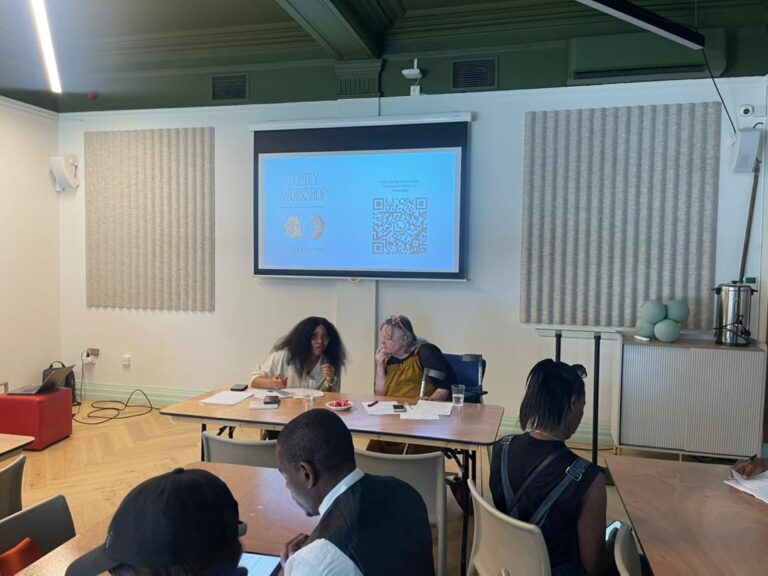
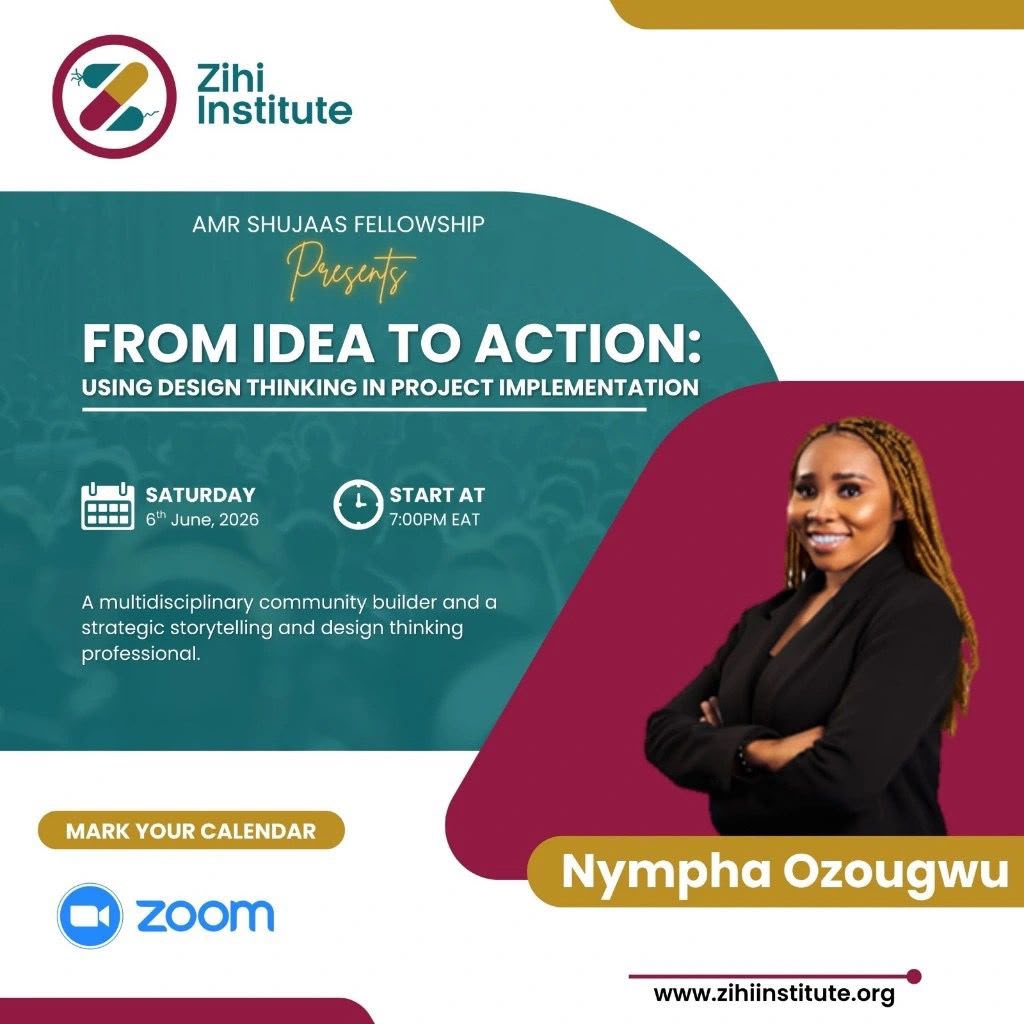
I recently had the opportunity to engage with the AMR Fellows at Zihi Institute Kenya, in a session focused on Design Thinking in Project Planning and Implementation. It was an enriching conversation that highlighted an important reality in development work and community engagement: solutions are most effective when they are designed with people, not just for them.
As someone who works in public-facing community building, design thinking has become a practical approach that guides how I plan, implement, and evaluate projects.
Too often, projects begin with assumptions about what communities need. While intentions may be good, assumption-based planning can lead to solutions that miss the mark. Design thinking challenges us to take a different route.
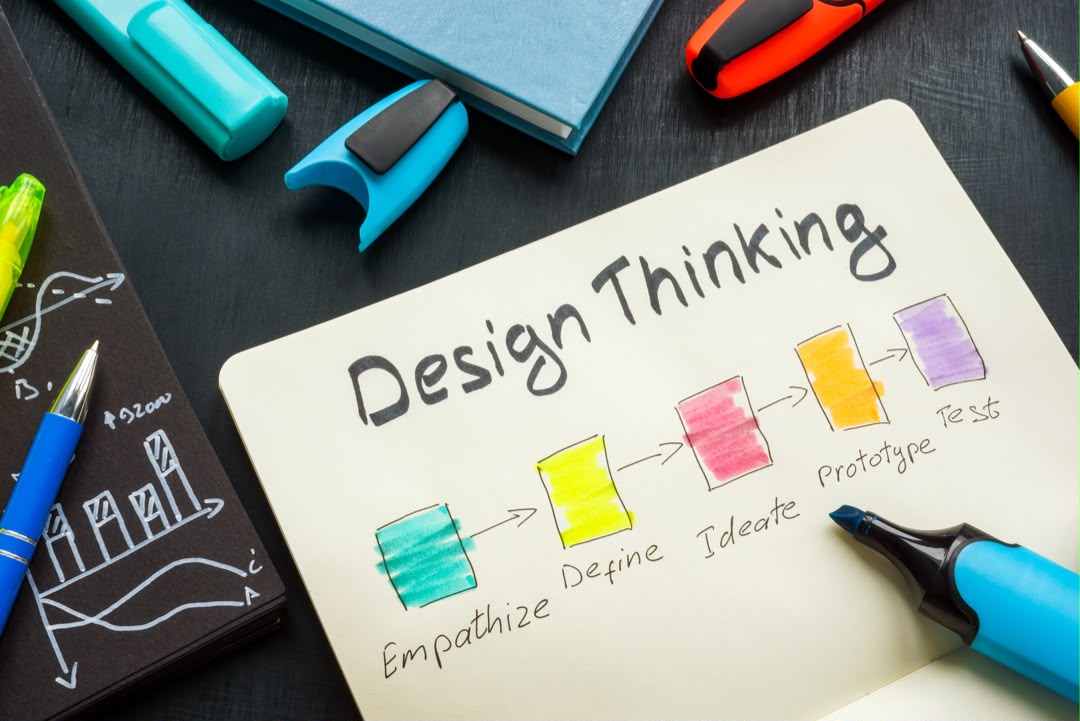
Before designing interventions, developing programs, or allocating resources, we must first understand the experiences, challenges, and aspirations of the people we intend to serve.
This means:
- Listening actively to community members.
- Asking questions before proposing solutions.
- Understanding lived experiences rather than relying solely on data.
- Recognizing that communities are experts in their own realities.
Empathy in design thinking allows you to move beyond assumptions and uncover the real issues that need attention.
Secondly, one of the most common reasons projects struggle is because they solve the wrong problem. Design thinking encourages practitioners to carefully define challenges based on insights gathered from users and stakeholders.
Instead of asking “how can we implement this project?”, We begin by asking, “what problem are people actually experiencing?’ This ensures that project goals are aligned with genuine community needs.
Once needs are clearly understood, the next step is developing solutions that place users at the center of the process.
A user-centred approach helps teams to:
- Design interventions that are relevant and practical.
- Increase community ownership and participation.
- Improve project effectiveness and sustainability.
- Adapt solutions based on feedback and changing needs.
When people feel seen, heard, and included, they are more likely to engage with and support project outcomes.
Why Design Thinking Matters in Project Implementation
Design thinking is not only useful during project planning, it remains valuable throughout implementation.
It encourages teams to:
- Test ideas before scaling them.
- Learn from feedback continuously.
- Adjust strategies when circumstances change.
- Focus on outcomes that create meaningful impact.
Rather than viewing projects as fixed plans, design thinking promotes a mindset of learning, adaptation, and continuous improvement.
If you’re interested in exploring a session plan on Design Thinking, feel free to contact me.